
Outdoor surface design in 2026 is no longer just about choosing a decorative finish. It’s about selecting a system that performs under real environmental stress, heat, rainfall intensity, ground movement, and long-term wear.
Two of the most commonly compared systems in Australia remain resin-bound surfacing and exposed aggregate concrete. While both use natural stone, their construction methods and long-term behaviour are completely different.
This breakdown focuses on real-world performance rather than marketing claims, helping you understand which system suits modern residential and commercial demands.
Surface Formation: Flexible Resin vs Rigid Concrete
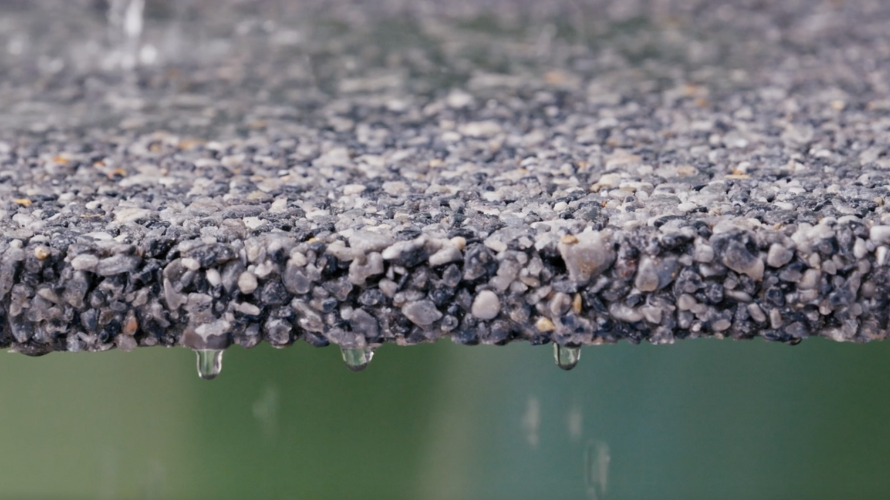
Resin-bound systems are created by blending natural aggregates with a high-performance binding matrix and installing them as a continuous surface layer. The result is a unified structure that locks stone in place while retaining a natural appearance.
This installation method enables smoother transitions, curved layouts, and highly detailed landscape integration without visible segmentation.
This is where modern drainage matrix binder resin paving systems stand out, as they combine structural stability with controlled water movement through the surface profile.
Exposed aggregate, by contrast, is formed through poured concrete, where surface cement is removed to expose embedded stone. While visually appealing, the finish is dependent on pour consistency, curing conditions, and aggregate distribution.
Water Behaviour and Environmental Performance
One of the most important differences between these systems is how they manage water.
Resin-bound surfaces can be engineered to allow water to pass through the structure, reducing surface runoff and improving groundwater recharge. This makes them highly effective in areas with heavy rainfall or limited drainage infrastructure.
Modern drainage resin binder Australia systems are specifically designed to manage stormwater at the surface level, helping reduce pooling and erosion while maintaining a stable walking or driving surface.
Exposed aggregate is non-permeable. Water flows across the surface and must be directed through slopes or drainage channels, which can limit performance in flatter or high-intensity rainfall zones.
Strength vs Movement Tolerance
Concrete-based exposed aggregate systems rely on rigidity. While strong under compression, they are less adaptable to ground movement. Over time, expansion, contraction, or soil shifting can lead to cracking, which is difficult to repair invisibly.
Resin-bound systems behave differently. They offer slight flexibility within the bound structure, allowing them to absorb minor movement without surface failure. This makes them particularly suitable for variable Australian soil conditions.
Advanced systems such as polyurethane resin bound paving are engineered specifically for long-term outdoor durability, combining flexibility with UV resistance and structural stability.
Aesthetic Consistency Over Time
In 2026, aesthetic longevity is just as important as structural performance.
Resin-bound surfaces maintain consistent colour and texture because the aggregate is fully encapsulated within the binding system. This reduces fading, patchiness, and surface wear visibility over time.
Exposed aggregate, however, can change appearance as surface cement wears down unevenly or as aggregate polishes under traffic. Repairs also tend to be visible due to differences in curing and stone exposure levels.
For design-led projects, resin systems provide a more controlled long-term finish.
Slip Resistance and Everyday Safety
Both systems can achieve compliant slip ratings, but their long-term consistency differs.
Resin-bound surfaces maintain a uniform texture across the entire installation, even in wet conditions. This makes them reliable for pool surrounds, ramps, and high-traffic pedestrian zones.
Exposed aggregate can offer good initial grip, but surface smoothing over time may reduce consistency in heavily used areas, depending on aggregate type and exposure conditions.
Installation Flexibility and Project Efficiency
Installation methodology is another key differentiator.
Resin-bound systems can be applied over existing stable bases such as concrete or compacted stone, reducing demolition requirements and construction waste.
This is particularly effective when using resin stabilisation systems, which allow existing decorative stone or aggregate surfaces to be stabilised without full reconstruction.
Exposed aggregate requires full slab construction, including excavation, formwork, reinforcement, pouring, and finishing, making it more labour and time intensive.
Cost Reality: Installation vs Lifecycle Value
Cost comparisons depend heavily on project type.
- For new slab construction, exposed aggregate may appear more cost-effective upfront
- For upgrades or resurfacing, resin systems often become significantly more economical due to the reuse of existing bases
- Exposed aggregate is non-permeable. Water flows across the surface and must be directed through slopes or drainage channels, which can limit performance in flatter or high-intensity rainfall zones.
However, lifecycle cost shifts the equation. Resin-bound systems typically require less repair visibility, fewer major interventions, and lower long-term surface replacement risk.
Final Perspective
In modern landscape and infrastructure design, the decision is no longer simply “which looks better”.
It is about:
- How the surface manages water
- How it responds to ground movement
- How it ages over time
- How easily it can be repaired or upgraded
Exposed aggregate remains a strong traditional option for rigid concrete applications.
Resin-bound systems, however, represent a newer generation of surface engineering, focused on flexibility, permeability, and long-term performance.
In 2026, that shift towards engineered surface systems is only accelerating.